
 Thomas Kelly
21 January 2026
Thomas Kelly
21 January 2026
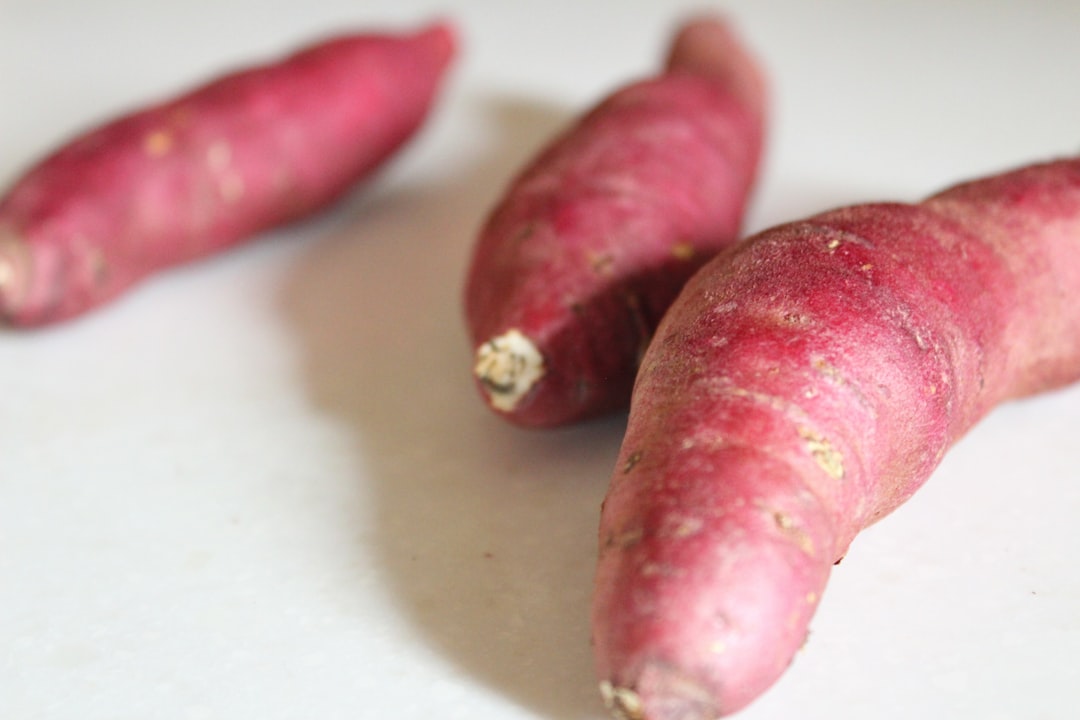
The sweet potato ( Ipomoea batatas) is a dicotyledonous plant belonging to the Convolvulaceae family. Its large, starchy, sweet-tasting, tuberous roots are a staple food in many parts of the world. While often referred to as a “superfood,” this designation, like many others in contemporary food marketing, lacks a precise scientific definition. Nevertheless, the sweet potato offers a compelling nutritional profile and a wide array of culinary applications, warranting closer examination.
The sweet potato boasts ancient origins, with evidence pointing to its domestication in the Americas thousands of years ago. Understanding its journey across continents sheds light on its current global prominence.
Early Cultivation and Dispersal
Archaeological findings suggest sweet potato cultivation began in Central and South America between 5,000 and 3,000 BCE. Its presence in Polynesia prior to European contact is a subject of ongoing debate among scholars, with theories ranging from pre-Columbian transoceanic voyages to natural dispersal. Regardless of the exact mechanisms, the plant’s remarkable adaptability allowed it to flourish in diverse climates and soil conditions.
Introduction to Other Continents
European explorers, most notably Christopher Columbus, encountered the sweet potato in the Americas and subsequently introduced it to Europe in the 15th century. From there, it spread to Africa and Asia, where it quickly became an important food crop, particularly in regions where other staple foods were scarce or less resilient. Its ability to thrive in marginal lands and its relatively short growing season made it an attractive option for subsistence farmers. Today, China is the world’s leading producer of sweet potatoes, followed by other Asian and African countries.
Sweet potatoes are not only a delicious and nutritious food option, but they also play a significant role in various culinary traditions around the world. If you’re interested in exploring how to incorporate sweet potatoes into your meals while also considering the broader context of home cooking and design, you might find this article on building a custom home particularly insightful. It discusses how to create a kitchen space that is both functional and inspiring for cooking, which can enhance your culinary experiences, including those with sweet potatoes. For more information, you can read the article here: Building a Custom Home.
Nutritional Composition
The sweet potato is a dense source of various macro and micronutrients. Its nutritional value is a primary factor contributing to its widespread consumption and perceived health benefits.
Carbohydrates and Dietary Fiber
The primary macronutrient in sweet potatoes is carbohydrates, predominantly in the form of starch. This provides a sustained energy release. Unlike some other starchy root vegetables, a significant portion of these carbohydrates are complex. Additionally, sweet potatoes are a good source of dietary fiber, both soluble and insoluble.
Soluble and Insoluble Fiber
Soluble fiber, present in sweet potatoes, can help regulate blood sugar levels and lower cholesterol. Insoluble fiber contributes to digestive health by promoting regular bowel movements and adding bulk to stool. The combination of these fiber types contributes to a sense of fullness and can aid in weight management.
Vitamins and Minerals
Sweet potatoes are particularly rich in certain vitamins and minerals, which are crucial for various bodily functions.
Vitamin A (Beta-Carotene)
One of the most notable nutritional contributions of sweet potatoes is their high content of beta-carotene, a precursor to vitamin A. The vibrant orange flesh of many sweet potato varieties is a visual indicator of this abundance. Vitamin A is essential for vision, immune function, and skin health. It acts as an antioxidant, scavenging free radicals that can damage cells.
Vitamin C and B Vitamins
Sweet potatoes also contain a notable amount of vitamin C, another powerful antioxidant that supports the immune system and collagen production. Furthermore, they provide several B vitamins, including B6 (pyridoxine) and B5 (pantothenic acid), which play roles in energy metabolism and nervous system function.
Essential Minerals
Key minerals found in sweet potatoes include potassium, manganese, and copper. Potassium is vital for maintaining fluid balance and blood pressure, while manganese is involved in bone formation and metabolism. Copper contributes to iron absorption and red blood cell formation.
Culinary Versatility

The sweet potato’s mild, naturally sweet flavor and adaptable texture make it a highly versatile ingredient in the kitchen. Its culinary applications span a wide spectrum, from savory dishes to desserts.
Cooking Methods
Sweet potatoes can be prepared using numerous cooking techniques, each imparting a slightly different flavor and texture.
Baking and Roasting
Baking or roasting enhances the natural sweetness of the sweet potato as its starches caramelize. This method yields a soft, tender interior and a slightly crispy skin, making it suitable for simple side dishes or as a base for more elaborate preparations.
Steaming and Boiling
Steaming and boiling are gentler cooking methods that preserve more of the sweet potato’s water-soluble vitamins. These techniques result in a softer, often creamier texture, ideal for mashing, pureeing, or incorporating into soups and stews.
Frying and Grilling
For those seeking a different textural experience, sweet potatoes can be fried or grilled. Frying, typically in oil, creates a crispy exterior and a tender interior, as seen in sweet potato fries. Grilling imparts a smoky flavor and can be used for sliced rounds or wedges.
Global Culinary Applications
Sweet potatoes are woven into the culinary fabric of many cultures, showcasing their adaptability across diverse flavor profiles.
Savory Dishes
In many African and Asian cuisines, sweet potatoes are a staple side dish, often boiled or steamed and served alongside stews or curries. In the United States, they are frequently mashed, roasted, or incorporated into casseroles, particularly during holiday seasons. Their naturally sweet profile can also provide a balance to savory, spicy, or acidic flavors in stir-fries or pan-fried dishes.
Sweet Preparations
The inherent sweetness of sweet potatoes lends itself well to desserts. Sweet potato pie is a classic American dessert, particularly in the Southern states. In some Asian countries, sweet potatoes are used in pastries, candies, and even sweet soups, where their earthy sweetness provides a grounding element.
Health Considerations

While generally recognized as a healthy food, certain aspects of sweet potato consumption warrant consideration, particularly for individuals with specific dietary needs or health conditions.
Glycemic Index
The glycemic index (GI) is a measure of how quickly a food raises blood sugar levels. Sweet potatoes generally have a moderate to high GI, depending on the cooking method and varietal.
Impact on Blood Sugar
Boiling tends to lower the GI of sweet potatoes compared to baking or roasting, which can increase it. Individuals with diabetes or those monitoring blood sugar levels should be mindful of portion sizes and preparation methods. Combining sweet potatoes with sources of protein and fat can help mitigate rapid blood sugar spikes.
Oxalates
Sweet potatoes contain oxalates, naturally occurring compounds found in many plant foods.
Role in the Body
In most healthy individuals, oxalates are excreted without issue. However, in individuals prone to kidney stones, a high intake of oxalate-rich foods may contribute to stone formation. Boiling or steaming sweet potatoes can reduce their oxalate content. Moderation in consumption is key for those at risk.
Allergies
While uncommon, some individuals may experience allergic reactions to sweet potatoes.
Symptoms and Management
Symptoms of a sweet potato allergy can range from mild digestive upset and skin rashes to more severe reactions such as anaphylaxis. If an allergic reaction is suspected, medical attention should be sought. Individuals with known allergies should avoid sweet potatoes and sweet potato-derived products.
Sweet potatoes are not only a delicious and versatile ingredient in many dishes, but they also offer numerous health benefits, making them a popular choice for health-conscious individuals. If you’re interested in exploring more about nutritious food options and how they can complement your lifestyle, you might find this article on roofing repairs intriguing, as it discusses the importance of maintaining a healthy home environment, which can be just as vital as a healthy diet.
Sustainable Cultivation and Future Potential
The sweet potato’s resilience and nutritional value позиционируют its a crop with significant potential for addressing global food security and promoting sustainable agricultural practices.
Environmental Resilience
Sweet potatoes are relatively hardy plants, capable of growing in a range of soil types and climates, including those with limited water resources or poor soil fertility. This makes them a “forgiving” crop, less demanding than some other staple foods.
Drought Tolerance
Certain sweet potato varieties exhibit notable drought tolerance, making them a crucial crop in regions susceptible to water scarcity. This characteristic reduces the need for extensive irrigation, lessening the environmental footprint of cultivation.
Soil Conservation
The sweet potato’s dense root system can help mitigate soil erosion, particularly on sloped land. Its ability to thrive in challenging conditions also reduces the pressure to cultivate more fertile, but often more vulnerable, land.
Role in Food Security
Given its nutritional density, ease of cultivation, and adaptability, the sweet potato plays a vital role in ensuring food security in many developing countries.
Micronutrient Deficiency Alleviation
Orange-fleshed sweet potato varieties are a valuable source of vitamin A, a critical micronutrient often deficient in the diets of vulnerable populations, particularly children. Programs promoting the cultivation and consumption of these varieties have been successful in combating vitamin A deficiency.
Crop Diversification
Promoting sweet potato cultivation can contribute to crop diversification, reducing reliance on a single staple food and enhancing the resilience of food systems against climate change and other shocks. It acts as a safety net, a reliable reserve when others falter.
Research and Development
Ongoing research aims to further enhance the sweet potato’s properties and expand its utility.
Biofortification
Efforts are underway to develop new sweet potato varieties with even higher concentrations of essential vitamins and minerals through traditional breeding techniques. This biofortification can further amplify its nutritional impact.
Industrial Applications
Beyond direct consumption, the sweet potato holds potential for industrial applications, including the production of starch, ethanol, and animal feed. Exploring these avenues contributes to its economic viability and widens its value chain.
In conclusion, the sweet potato is more than just a culinary ingredient; it is a global food staple with a rich history, impressive nutritional attributes, and significant potential for future food security and sustainable agriculture. Its enduring presence in diverse cultures is a testament to its adaptability and the silent strength it offers, a steadfast bedrock in the dietary landscape.