
 Thomas Kelly
21 February 2026
Thomas Kelly
21 February 2026
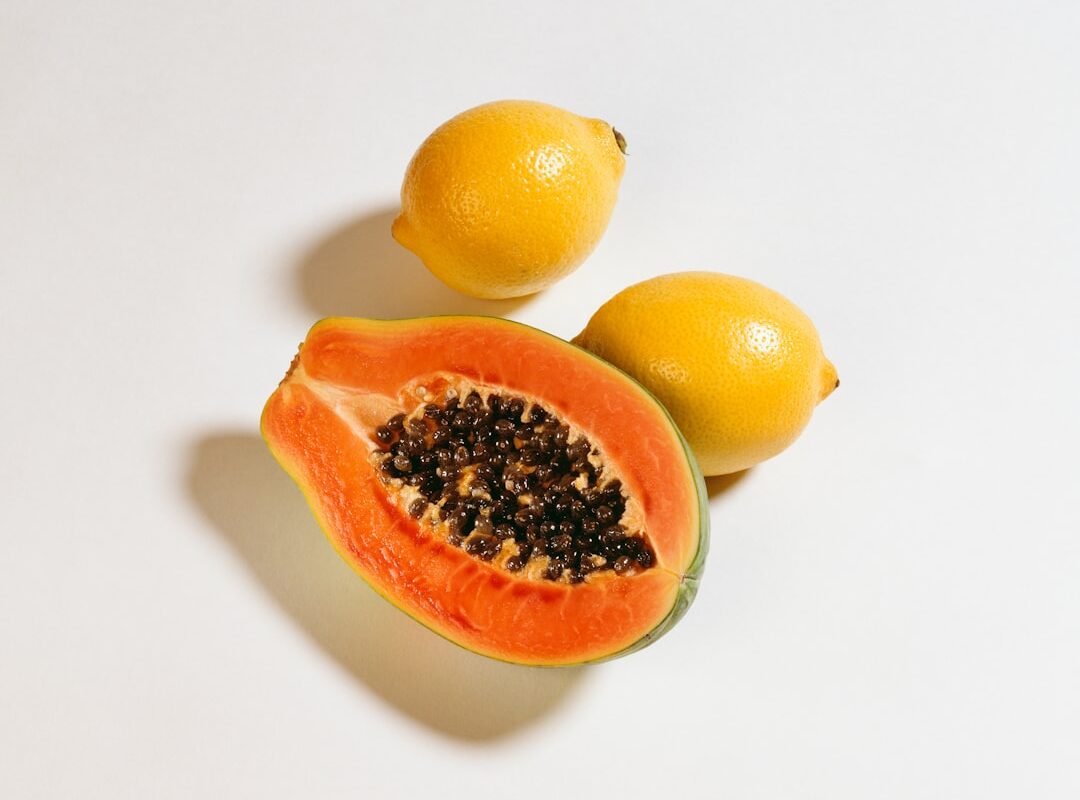
The papaya, Carica papaya, is a tropical fruit noted for its nutritional profile and historical uses. Native to Mesoamerica, specifically Southern Mexico and Central America, it is a prominent crop cultivated in tropical and subtropical regions worldwide. Its cultivation history stretches back centuries, with indigenous communities utilizing it for both its fruit and medicinal properties. Christopher Columbus is often credited with introducing papaya to Europe, where it gradually gained recognition.
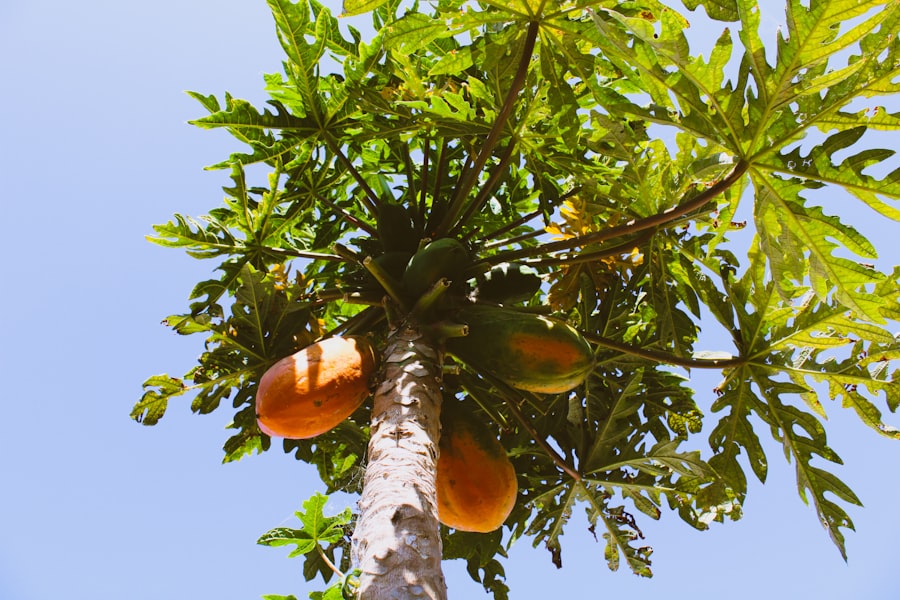
Carica papaya belongs to the Caricaceae family, a relatively small family of flowering plants. The plant itself is a large, tree-like herb, typically unbranched and growing to heights of 5 to 10 meters. Its distinctive large, deeply lobed leaves form a crown at the top of the stem.
Plant Morphology
The papaya plant has a hollow stem marked by scars from fallen leaves. Its leaves are spirally arranged, palmate, and can be quite large, reaching up to 50–70 centimeters in diameter. Flowers are typically fragrant and waxy, developing in the leaf axils. Papaya plants exhibit various sexual forms: male, female, and hermaphroditic. This sexual dimorphism influences fruit production, with hermaphroditic plants being generally preferred for commercial cultivation due to their ability to self-pollinate and produce fruit without the need for a separate male plant.
Climate and Soil Requirements
Papaya thrives in tropical and subtropical climates characterized by warm temperatures and ample rainfall. Optimal growth occurs in temperatures ranging from 21°C to 33°C. Frost is detrimental to the plant and can cause significant damage or death. While mature plants can tolerate short periods of drought, consistent moisture is crucial for fruit development.
Well-drained soil is paramount for successful papaya cultivation. Waterlogging can lead to root rot and other fungal diseases. Loamy or sandy-loam soils with a pH between 5.5 and 7.0 are generally considered ideal. Good soil aeration is essential, as the root system is relatively shallow.
Propagation and Harvesting
Papaya is primarily propagated by seeds, though vegetative propagation methods like cuttings and tissue culture are also employed, particularly for maintaining desirable traits of specific cultivars. Seeds are typically sown in nurseries and transplanted to the field once seedlings reach a suitable size.
Fruit development varies depending on the cultivar and environmental conditions, but generally, papayas begin producing fruit within 6 to 11 months of planting. Harvesting occurs when the fruit shows signs of ripening, typically indicated by a change in skin color from green to yellow, red, or orange. The fruit is typically hand-picked to avoid bruising and maximize shelf life.
In exploring the numerous health benefits of incorporating physical activity into our daily routines, one might find it interesting to read about the advantages of walking every day. This related article highlights how regular walking can enhance overall well-being, improve cardiovascular health, and boost mental clarity. For more insights, you can check out the article here: Benefits of Walking Every Day.
Nutritional Profile and Health Benefits
Papaya is recognized for its comprehensive nutritional content, offering a range of vitamins, minerals, and enzymes. This makes it a valuable addition to a balanced diet.
Vitamins and Minerals
A significant attribute of papaya is its high vitamin C content, often exceeding the daily recommended intake in a single serving. Vitamin C is a potent antioxidant involved in immune function, collagen synthesis, and iron absorption. The fruit also provides a good source of vitamin A, particularly in the form of beta-carotene, a precursor to vitamin A. Beta-carotene is crucial for vision, immune health, and skin integrity.
Furthermore, papaya contains measurable amounts of folate (vitamin B9), essential for cell growth and DNA synthesis, and vitamin K, which plays a role in blood clotting and bone health. While not exceptionally high in individual mineral content, it contributes to overall mineral intake, providing small quantities of potassium, magnesium, and calcium. Potassium is vital for maintaining fluid balance and blood pressure, while magnesium is involved in numerous biochemical reactions.
Digestive Enzymes
Perhaps one of the most distinctive features of papaya is its abundance of the proteolytic enzyme papain. Papain is a powerful enzyme that breaks down proteins, facilitating digestion. This property has led to its traditional use as a meat tenderizer and a digestive aid. Individuals with digestive issues, particularly those related to protein digestion, may find papaya beneficial. It is important to note that the highest concentration of papain is found in the green, unripe fruit and the latex.
Antioxidant Properties
Beyond vitamin C and beta-carotene, papaya contains other antioxidants, including lycopene and various phenolic compounds. Lycopene, also found in tomatoes, is a carotenoid with known antioxidant properties, particularly concerning cellular health. These antioxidants work synergistically to neutralize free radicals, which are unstable molecules that can cause cellular damage and contribute to chronic diseases. Consuming antioxidant-rich foods like papaya is a proactive step in maintaining cellular integrity.
Culinary Applications
Papaya’s versatility extends to its culinary uses, where it can be enjoyed in various forms, both ripe and unripe. Its mild flavor profile and soft texture make it amenable to diverse preparations.
Ripe Papaya
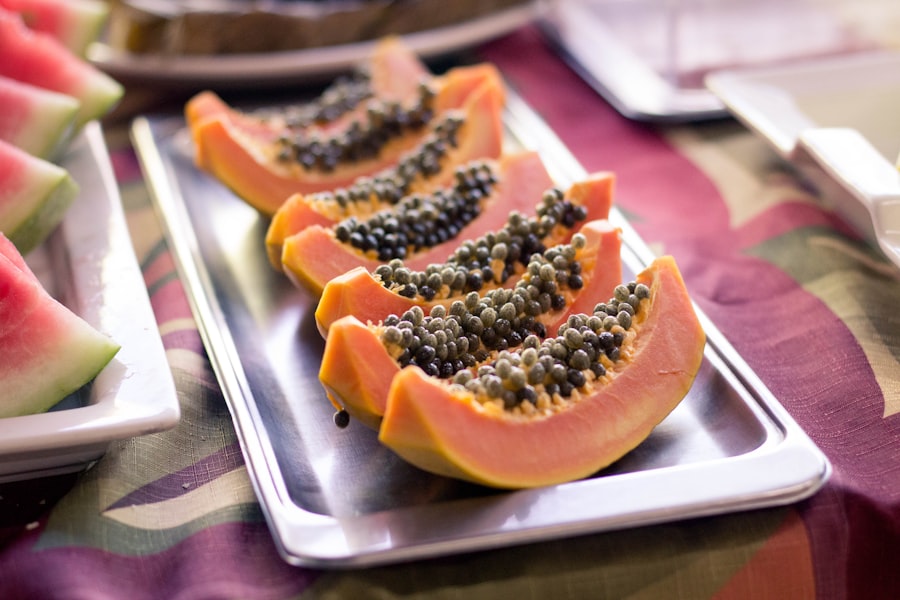
Ripe papaya is typically consumed fresh, either alone or as part of fruit salads. Its sweet, musky flavor and custard-like consistency make it a popular breakfast item or dessert. It can be blended into smoothies, pureed into sauces, or used as a topping for yogurt and cereals. The seeds, though often discarded, are edible and have a peppery flavor, sometimes used as a substitute for black pepper.
Unripe Papaya
Unripe or green papaya is a common ingredient in Southeast Asian cuisine, particularly in savory dishes. Its firm texture and mild, somewhat tangy flavor make it suitable for grating into salads, such as the famous Thai Som Tum (green papaya salad). It can also be cooked in stir-fries, curries, and stews, where it absorbs the flavors of other ingredients. When cooked, unripe papaya becomes tender and can add bulk and a subtle sweetness to dishes.
Papaya Products
Beyond fresh consumption, papaya is processed into various products. Papaya juice is a popular beverage, valued for its refreshing taste and nutritional content. Jams, jellies, and preserves are also made from the fruit. Dried papaya, often candied, provides a convenient and shelf-stable snack. Papain, extracted from the latex of the unripe fruit, is used in commercial meat tenderizers, digestive supplements, and even in some cosmetic products.
Traditional and Medicinal Uses
Historically, papaya has held significance beyond just food. Various parts of the plant, including the fruit, leaves, seeds, and latex, have been traditionally employed for medicinal purposes in different cultures.
Digestive Health Support
The enzyme papain, as previously mentioned, has been the cornerstone of papaya’s traditional digestive remedies. Indigenous communities used unripe papaya to aid digestion, particularly after consuming heavy meals. The latex from the fruit was also applied topically to treat skin conditions and wounds, leveraging its proteolytic activity for cleaning and healing.
Anti-inflammatory Properties
Traditional medicine systems in some regions have utilized papaya leaves and fruit extracts for their purported anti-inflammatory effects. While scientific research is ongoing, some studies suggest that compounds in papaya may possess properties that help reduce inflammation, a fundamental process in many chronic diseases.
Other Traditional Applications
Papaya leaves have been traditionally brewed into teas to address various ailments, including menstrual pain and fever. The seeds have been used as an anthelmintic, believed to expel intestinal worms. It’s important to differentiate between traditional uses and evidence-based medicine; while some traditions have a basis in empirical observation, many require rigorous scientific validation.
Papayas are not only delicious but also packed with nutrients that can benefit your overall health. If you’re interested in enhancing your fitness routine, you might find it helpful to explore exercises that complement a healthy diet. For instance, you can check out this informative article on the top five back exercises, which can help improve your posture and strength. Incorporating such exercises can be a great way to balance the nutritional benefits of fruits like papaya with physical activity. To read more about these exercises, visit this link.
Considerations and Potential Side Effects
While papaya offers numerous benefits, there are certain considerations and potential side effects that individuals should be aware of.
Allergic Reactions
Some individuals may experience allergic reactions to papaya. Symptoms can range from mild oral itching and swelling to more severe systemic reactions, particularly in those with latex allergies, as the proteins in papaya can cross-react with latex allergens. Skin contact with the latex of unripe papaya can also cause irritation or dermatitis in sensitive individuals.
Interactions and Precautions
Due to its emmenagogue properties (ability to stimulate blood flow in the uterus), pregnant women are often advised to consume unripe papaya in moderation or avoid it altogether, as it has been historically associated with inducing contractions. While ripe papaya is generally considered safe during pregnancy, consulting a healthcare professional is always advisable.
Individuals taking blood-thinning medications should also exercise caution, as the vitamin K content in papaya could potentially interfere with their effects. Furthermore, excessive consumption of papain from unripe papaya or supplements might cause gastrointestinal upset in some individuals. As with any food, moderation and awareness of individual sensitivities are key.
Handling and Storage
Proper handling and storage are essential to maintain the quality and extend the shelf life of papaya. Ripe papayas are delicate and bruise easily. They should be stored at room temperature until fully ripe, after which they can be refrigerated for a few days to slow down further ripening. Unripe papayas can be ripened at room temperature, similar to avocados. The flesh of cut papaya can be protected from oxidation by sprinkling it with citrus juice.
In summary, papaya is a fruit with a rich history and a strong profile of nutritional and digestive benefits. Its cultivation has spread globally, making it accessible to diverse populations. While cherished for its flavor and versatility in various cuisines, its role as a source of essential vitamins, minerals, and digestive enzymes positions it as a valuable dietary component. Understanding its botanical characteristics, nutritional contributions, culinary applications, traditional uses, and important considerations allows for informed consumption and appreciation of this tropical fruit.